Small seeds, huge impact.
The Art of Community Tree Gardens seeks to educate and inspire collective community towards more radical environmental projects. The purpose of this experimental project is to create new food pathways for community members to explore. All seeds planted are native, drought-resistance and culturally relevant to the community and their respective needs. *All seeds were sourced from local seed savers, True Love Seeds and American Meadows.
Meet Our Plants
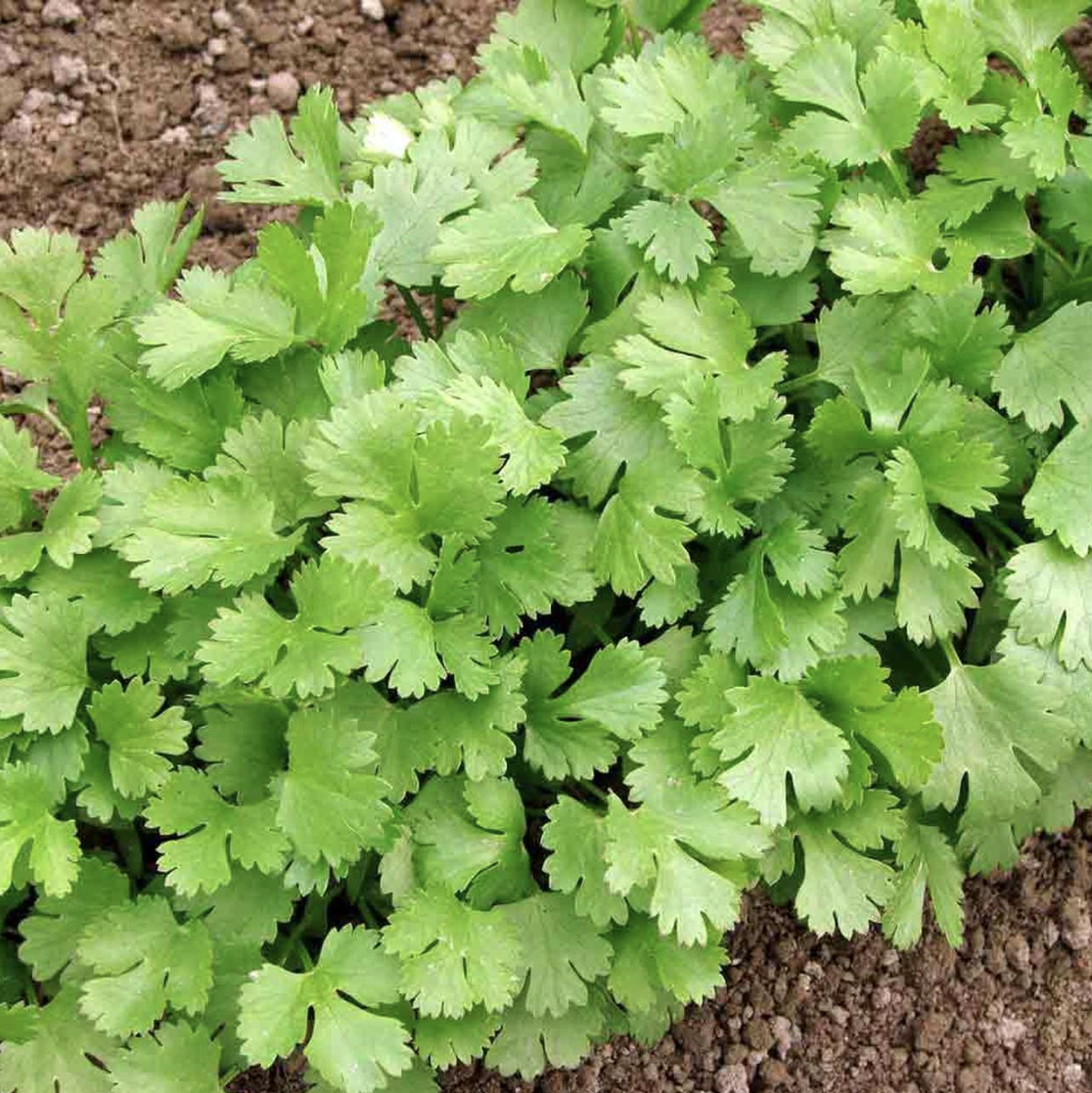
Cilantro [Macho]
50-60 Days to Maturity
Sow indoors or direct sow in the garden. Indoors, sow seeds 1/4" deep in moist potting soil 6-8 weeks before last frost. Direct sow 1/4" deep in the garden after last frost. Seedlings emerge in 14-21 days. You can learn more here.
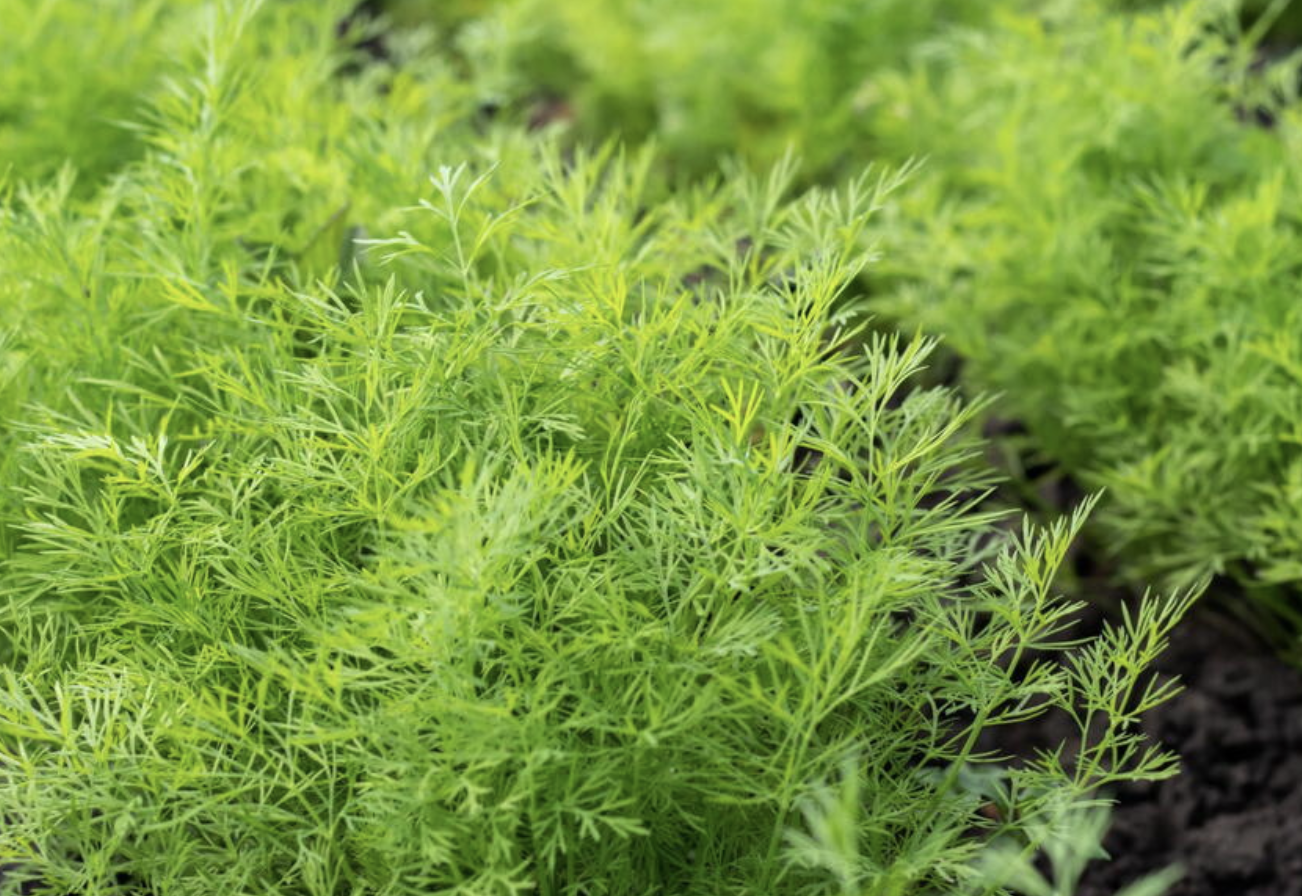
Dill
85-105 Days to Maturity
Scatter on cool soil in early spring or in the cooling days of late summer. Just barely cover seeds and keep evenly moist until germination. If you'd like to be more exact: sow seeds directly in the soil in early spring 2-3 seeds per inch about ¼" deep. Thinning is not necessary. If starting seeds indoors, begin 6-8 weeks before last frost and then transplant 6" apart. You can learn more here.
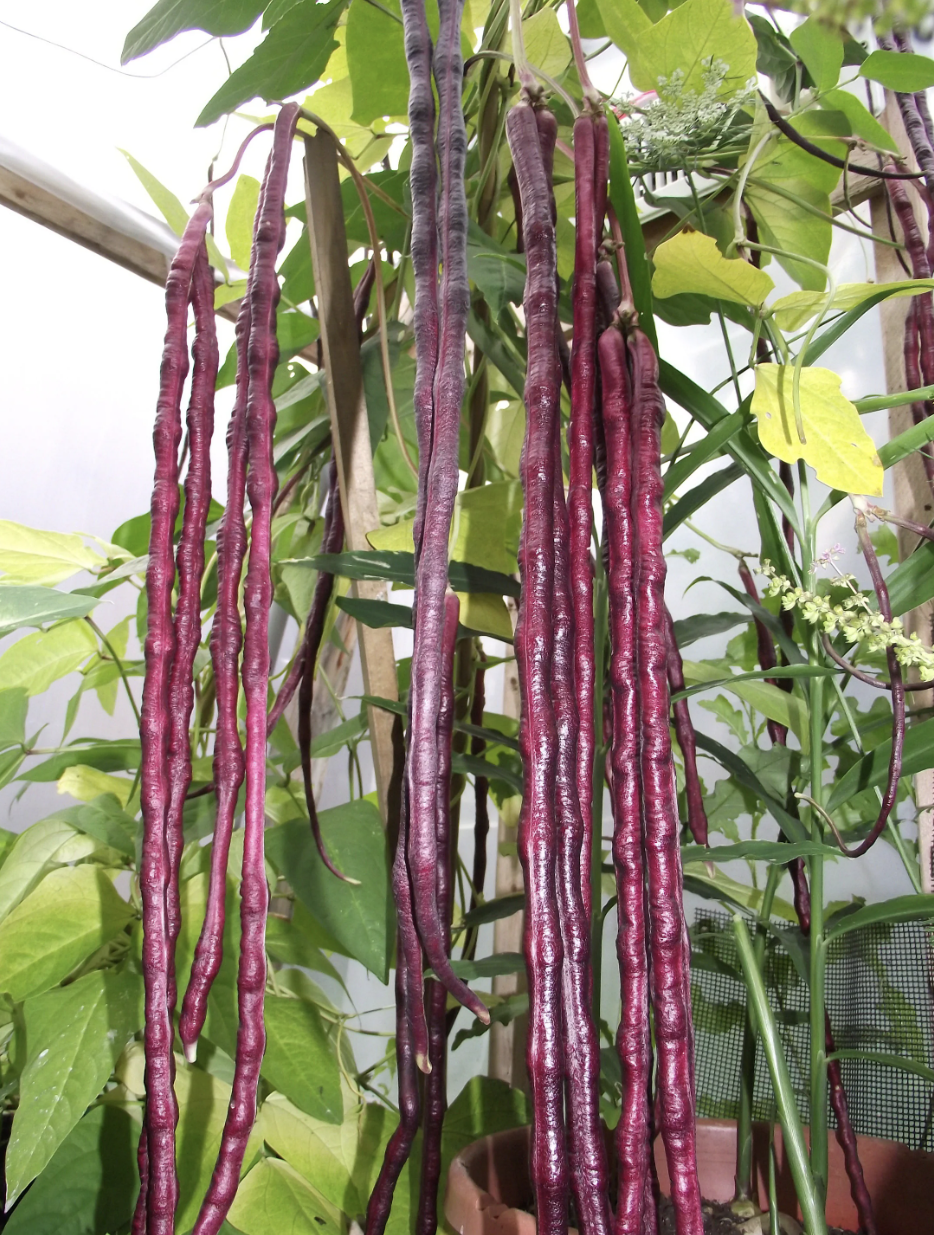
Purple Long Bean
78 Days to Maturity
Direct sow long beans safely after frost, any time between late May and mid-July. This is a climbing vine crop, so it needs to be planted next to a structure or trellis. Plant up to 1" deep with 3” spacing. Being a legume, it does fairly well and adds nitrogen to poor soil. Ready to harvest after about 80 days. We find the majority of beans near the bottom or tops of the plants, and harvest them completely for the first month to push the plants to continue producing. You can learn more here.
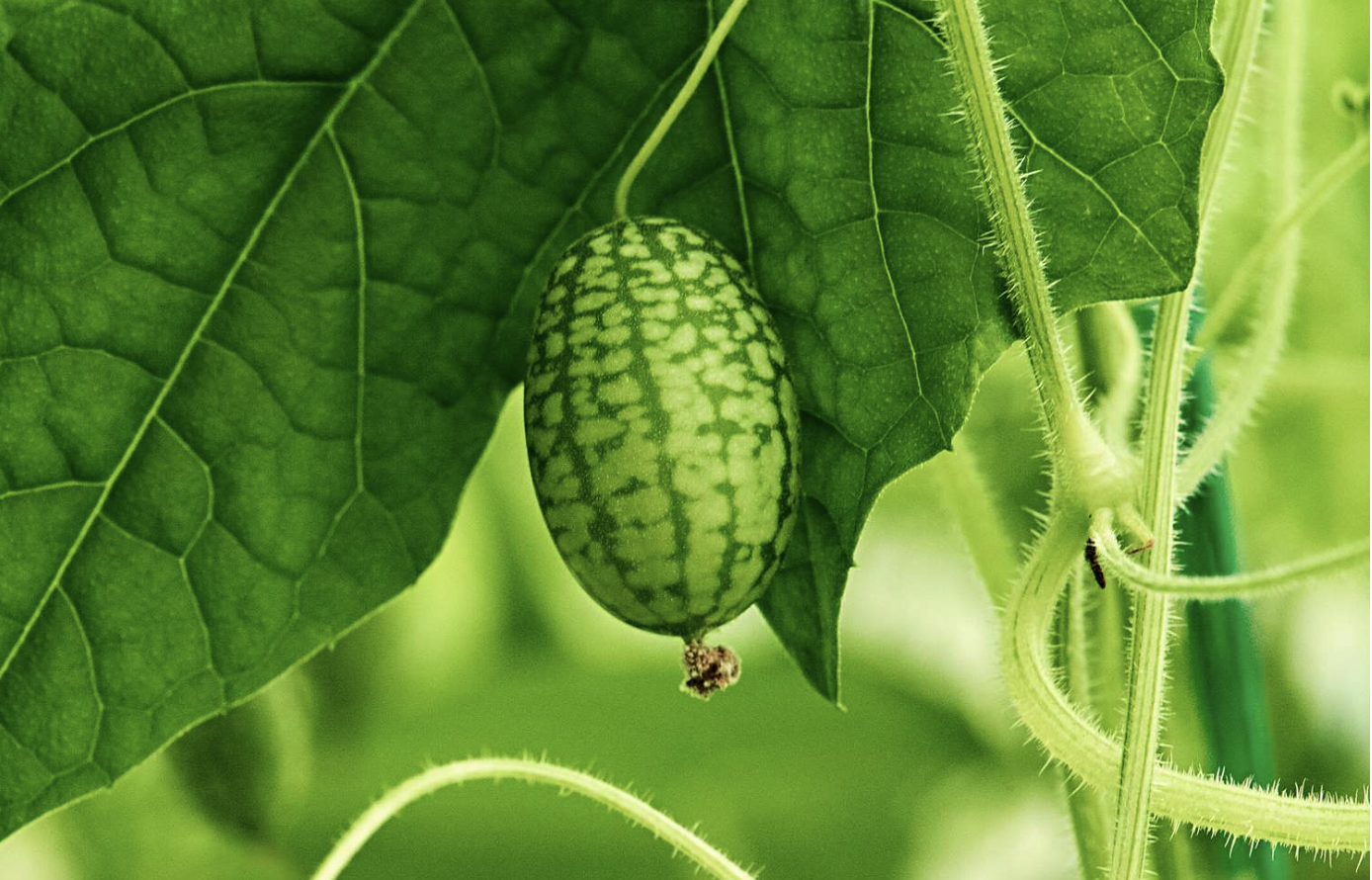
Cucamelon
70 Days to Maturity
Seed indoors 2-4 weeks beforehand and transplant into warm soil (above 70 degrees at night). If sowing outside, wait until at least 2 weeks after the last frost and plant 2-3 seeds per hill. Space plants or hills at 12" apart, in rows 4' apart. Vines grow up to 10', so allow them space and trellising to sprawl. Harvest at 1" before the fruit gets too seedy, unless you hope to save the seeds! You can learn more here.
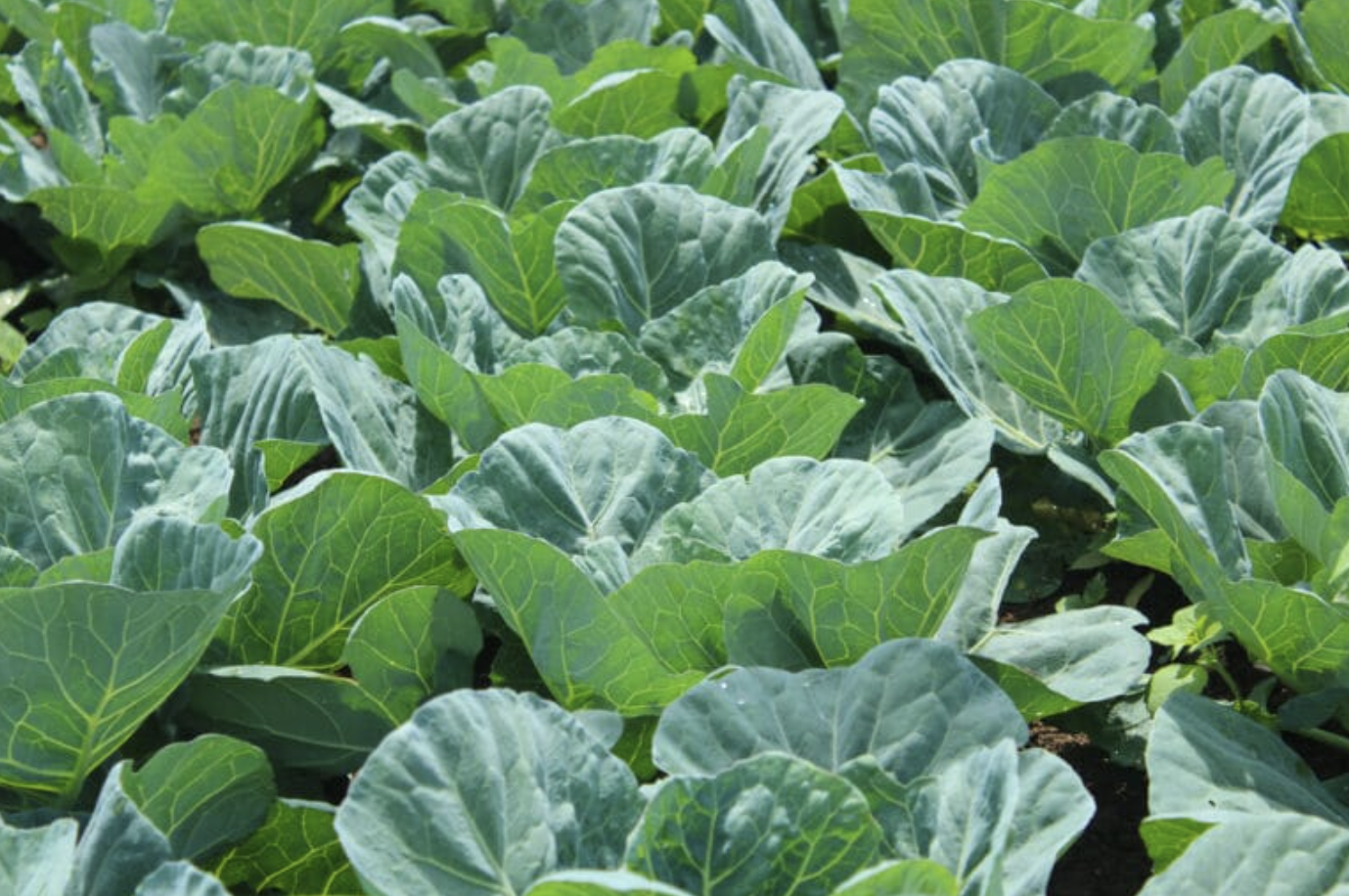
Mississippi Collards
60-80 Days
Sow indoors 6-8 weeks before last frost, or seed every 1" in rows 8-12" apart, 1/4-1/2" deep. Keep watered until germination. You can learn more here.
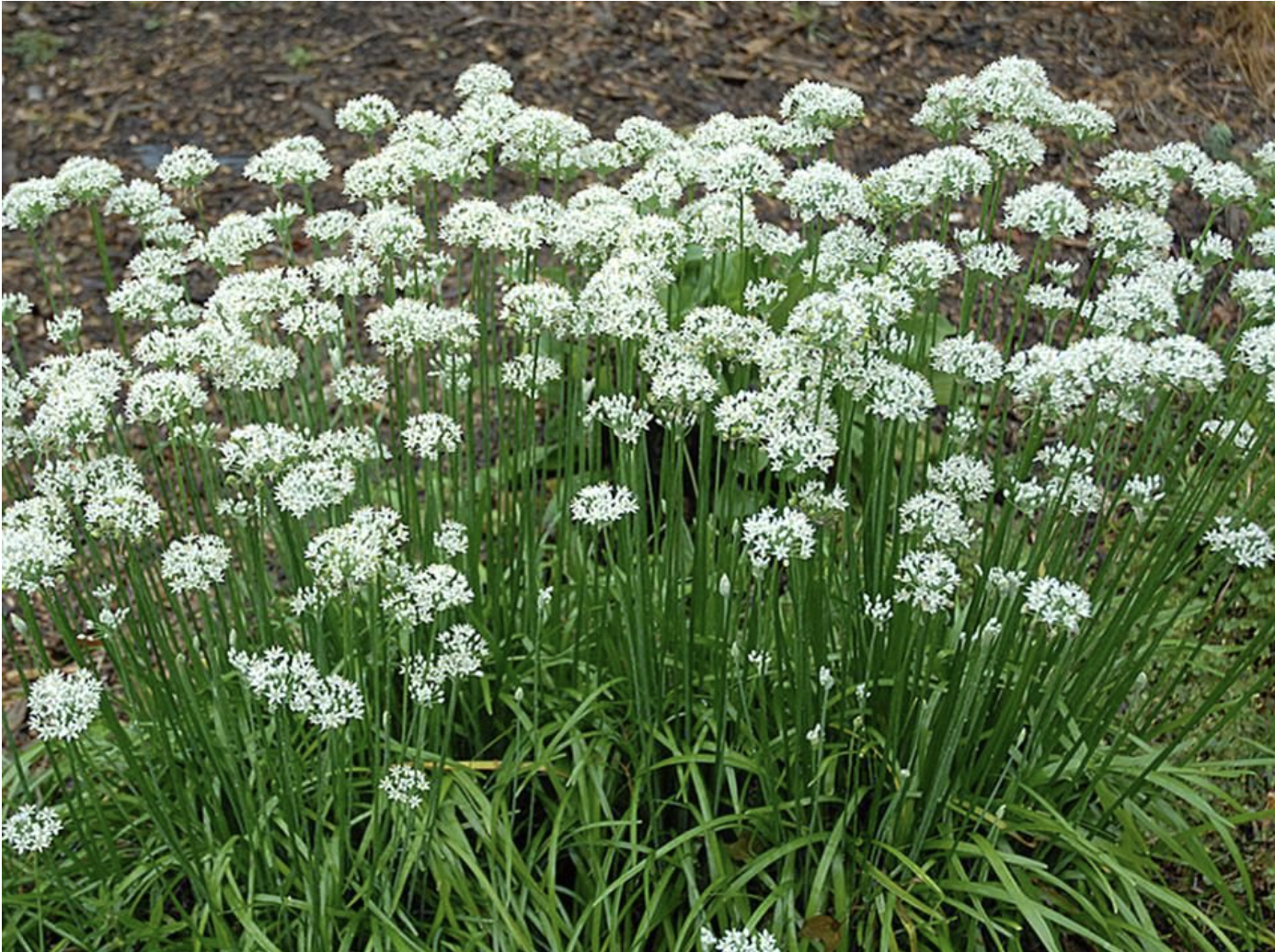
Garlic Chives
90 Days from Seeding
Direct sow ¼ inch deep in the spring as the soil warms up. Sow seeds 1-2 seeds per inch, thinning to one plant every 2-8 inches. Alternatively, sow in flats indoors 6-8 weeks before the last frost. Harvest individual leaves 3-4 times per year before flowering. You can learn more here.
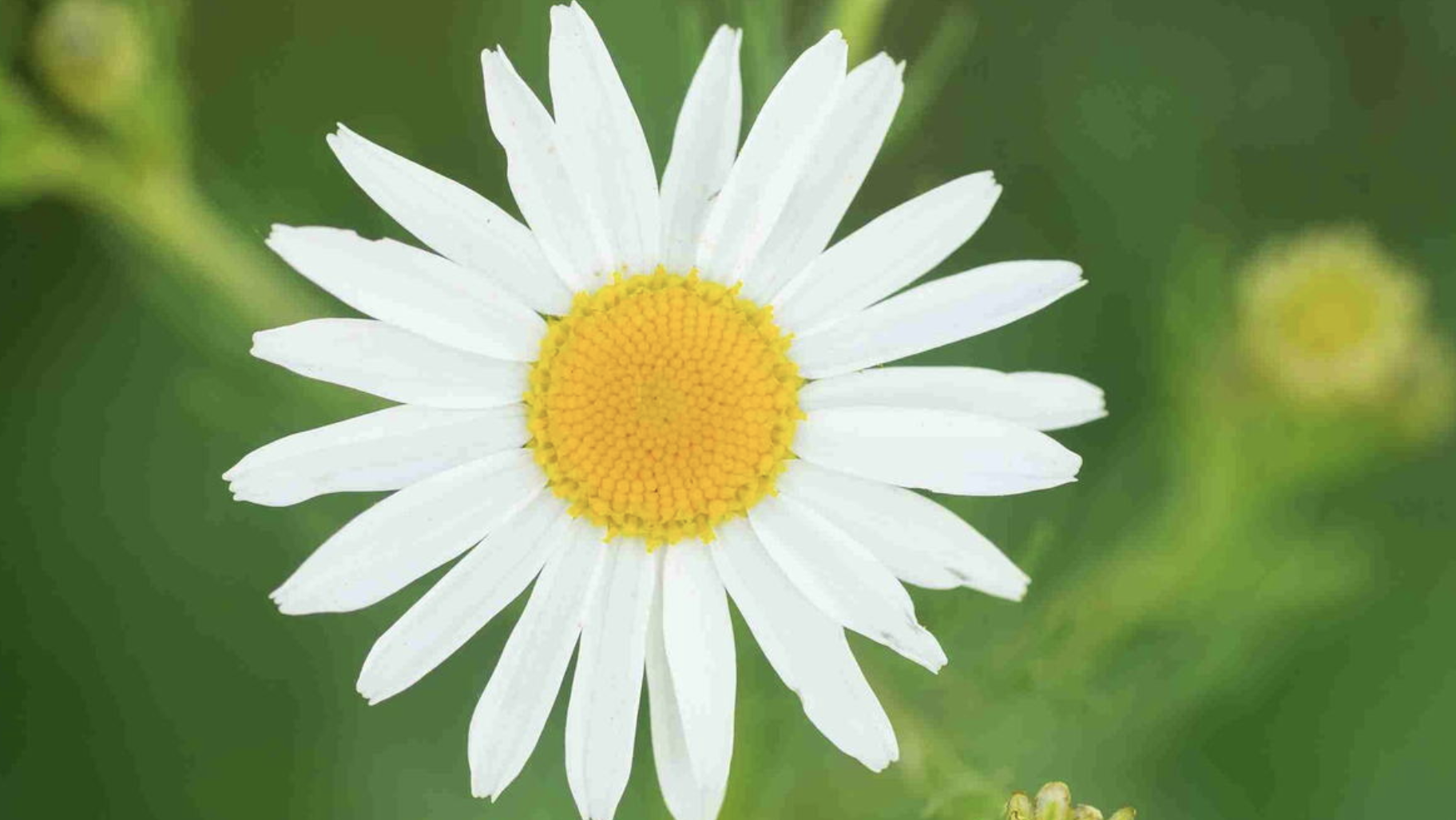
Chamomile
60-65 Days to Maturity
Start indoors 4-6 weeks before transplanting into the garden by sowing on the surface and simply pressing them into the soil: they need light to germinate. Direct sow by scattering on the surface of the soil and pressing them in. They can just fine grow close to each other without thinning. You can learn more here.
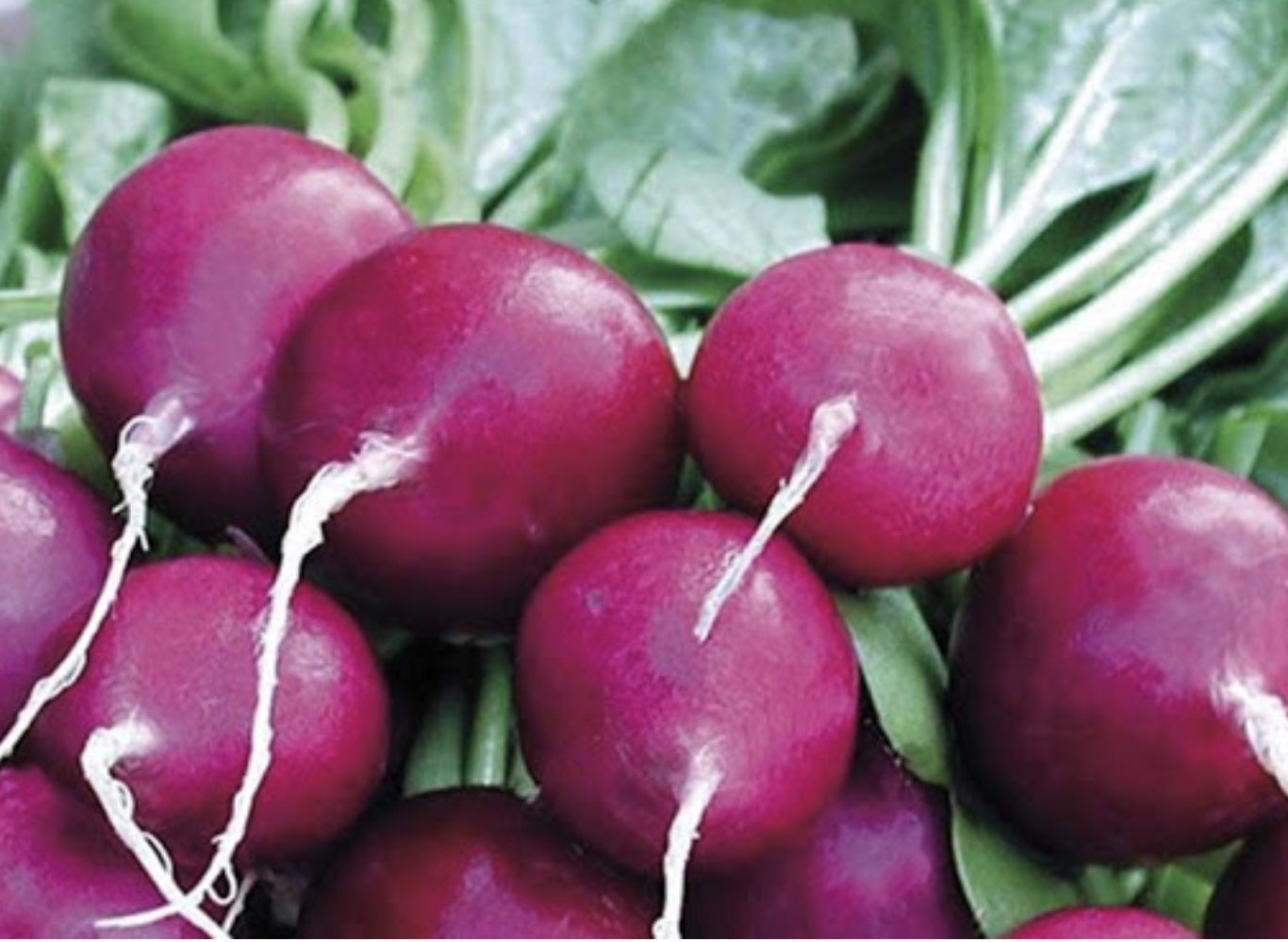
Purple Plum Radish
35 Days to Maturity
Directly sow radish seeds in loose soil after danger of frost in early spring, and again in late summer for fall crop (the latter is best for this variety). In frost free areas, sow in the fall. Space rows at least 6" apart, and thin seedlings to 2-3" apart within the row. Consider scattering seeds in bands 2-3” wide, 10 seeds per foot. Use row covers to keep out late season pests that munch brassicas. You can learn more here.
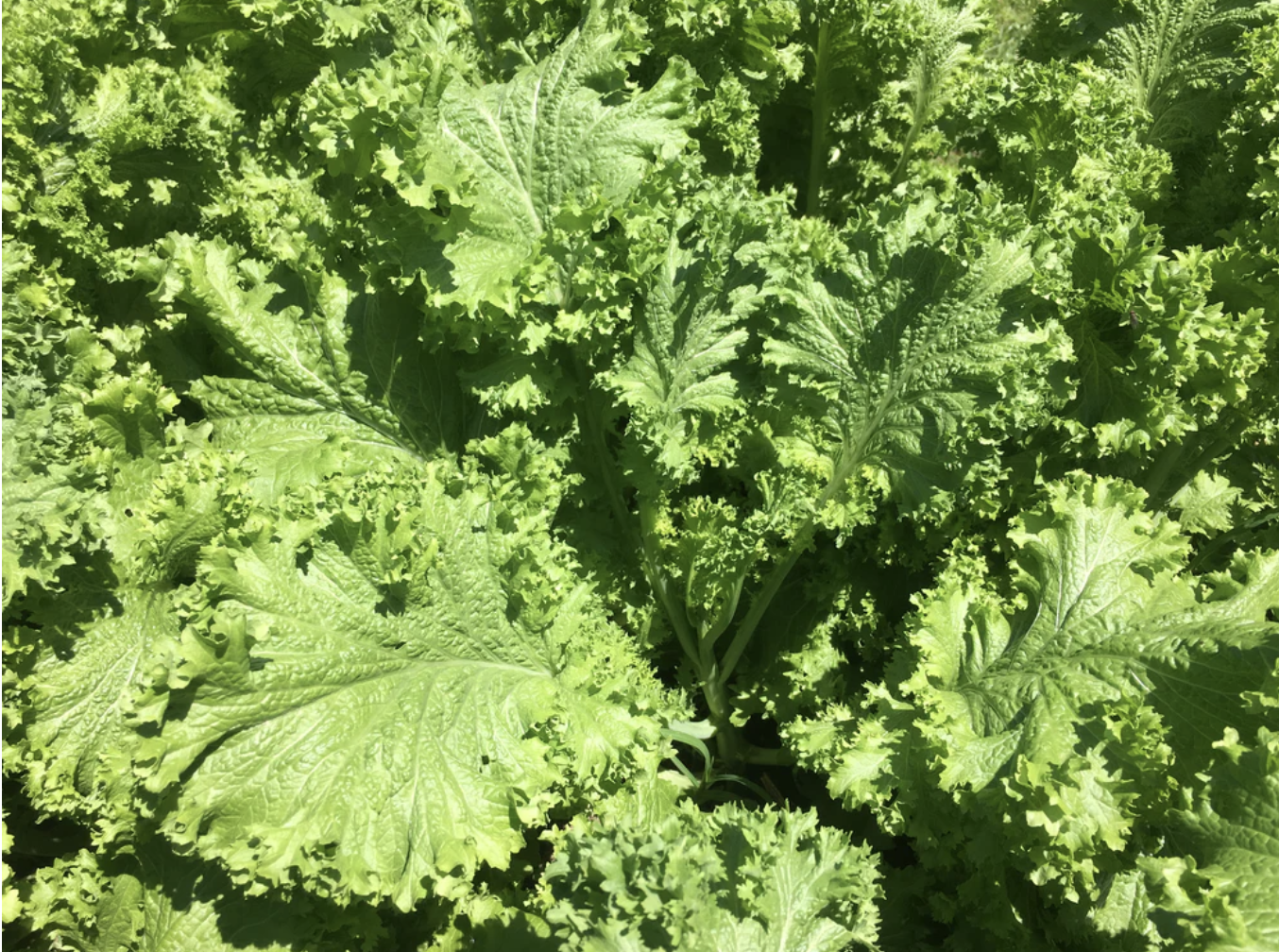
Katie’s Mustard Lettuce
50-60 Days
Sow indoors 6-8 weeks before last frost, or seed every 1" in rows 8-12" apart, 1/4-1/2" deep. Keep watered until germination. Thin to every 8-12" for fuller heads, or treat as cut-and-come-again baby greens. Harvest baby greens after 25 days, or allow plant to mature in 50-60 days. You can learn more here.
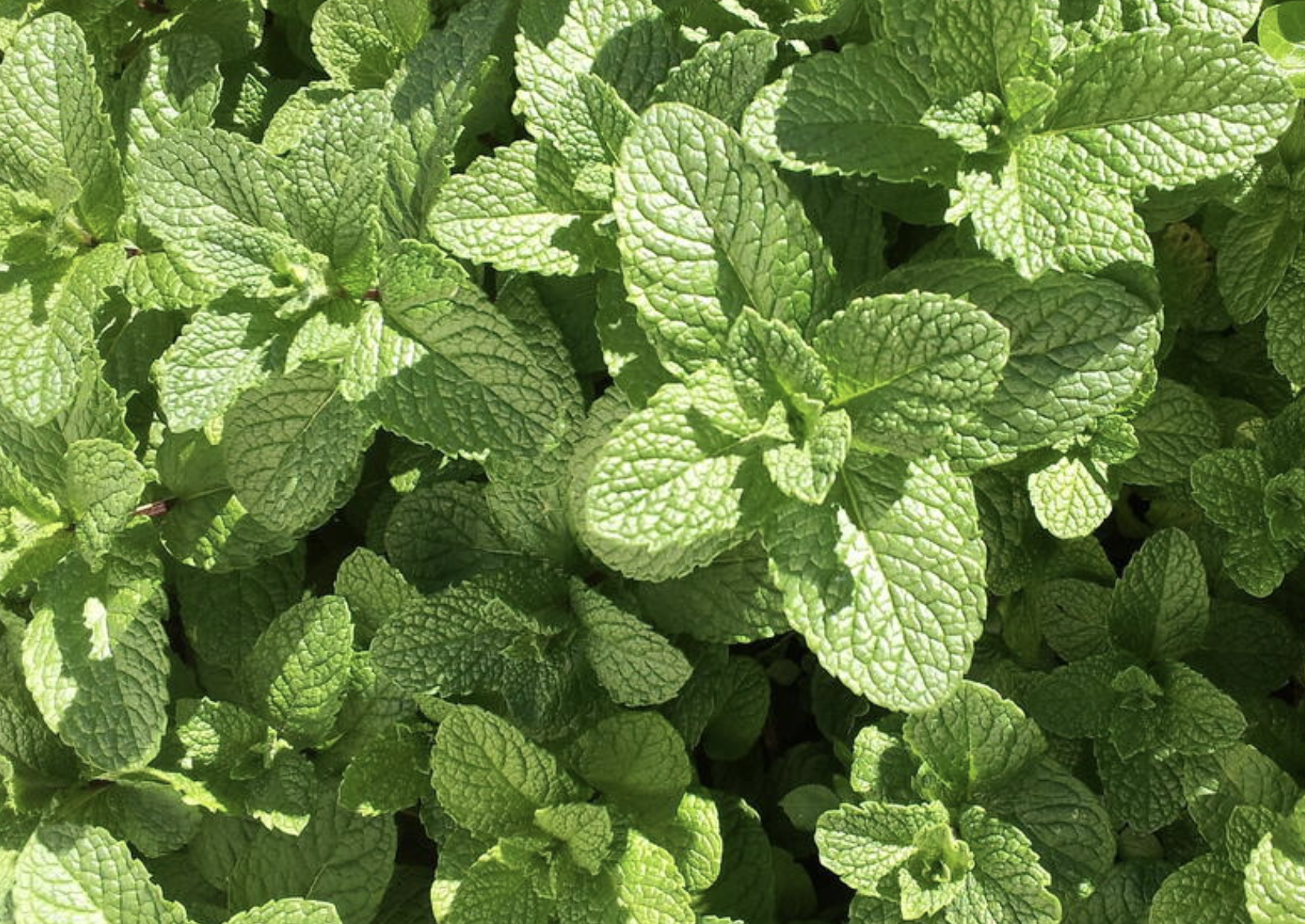
Peppermint
90 Days to Maturity
Sow seeds on the surface of moist potting soil. Do not cover. Tamp down the seeds for good soil contact. Keep it evenly moist and in the sunlight until germination. Start indoors, and later transplant in full sun 10-12" apart. Mint can be a bit of a bully in the garden, and is considered invasive in some regions of the U.S. Consider growing in pots or with barriers to keep it contained as it spreads via vigorous, creeping rhizomes. Peppermint loves moist habitats, including stream sides and drainage ditches in the wild, and prefers a partial sun to shade area. Will return as a perennial under the right conditions, and with consistent moisture. Commonly propagated from cuttings. To harvest fresh leaves for medicine, once established, cut the top ⅓ of fresh growth aerial parts any time before flowering. Cut at the node just before the leaves where you are harvesting, to promote regrowth. Cut and come again herb. To dry for medicine, dry leaves quickly (a few days) in a dark, dry place with good airflow. In order to preserve the scent/volatile oils, do not use heat to dry. You can learn more here.
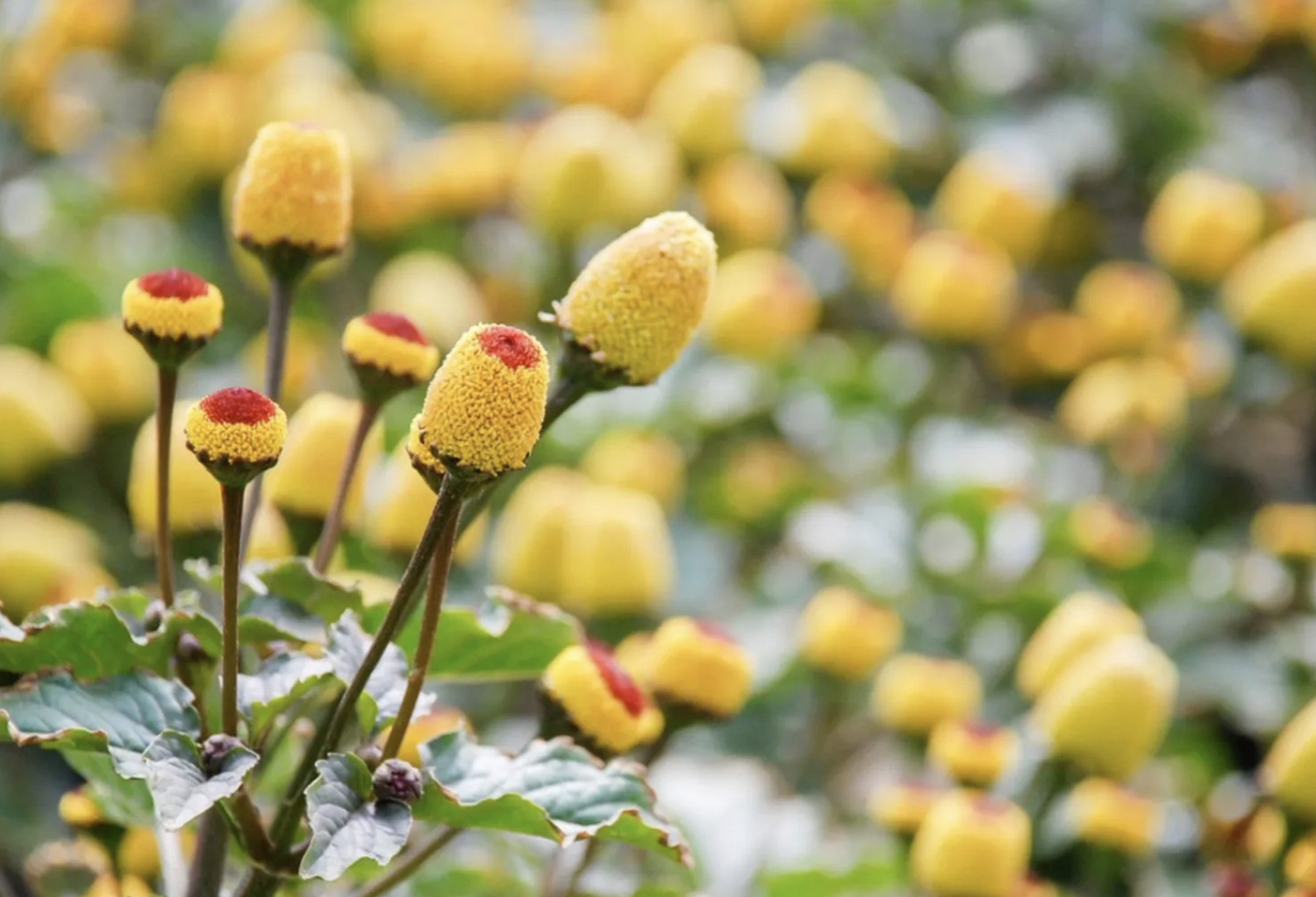
Spilanthes, Lemon Drop
90-100 Days to Maturity
Sow seeds 1/4" deep indoors about 6 weeks before the last frost and transplant into garden well after the danger of frost. Keep seedlings moist but do not overwater. Transplants should be spaced 6-12" in full sun, watered in well. Alternatively, direct sow after the last frost, 1/4" deep. This species readily reseeds itself. You can learn more here.
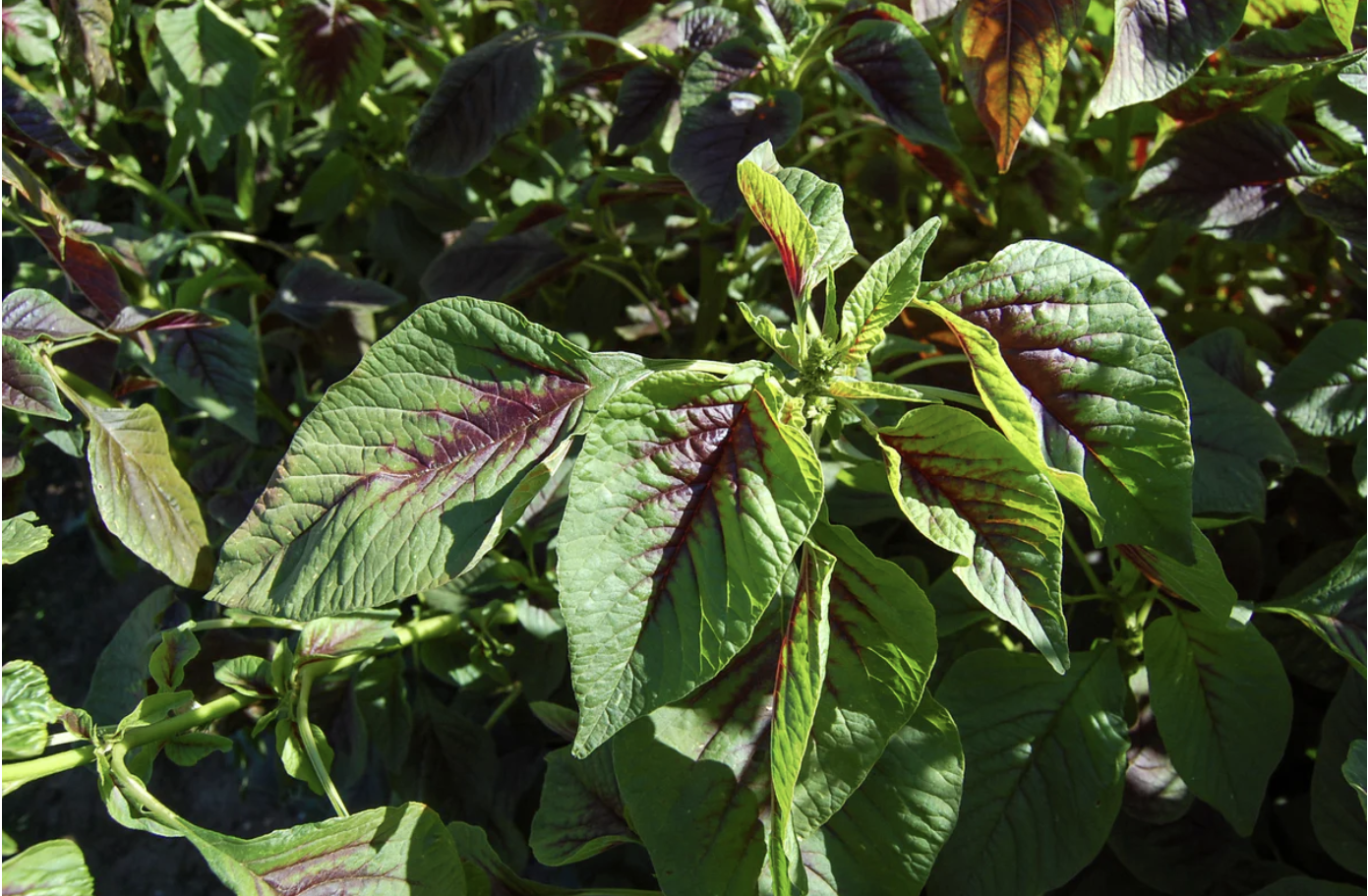
Red Callaloo
50 Days to Maturity
Callaloo is an extremely self-sufficient crop. Expect germination between 10-20 days, and fast growth after that. To get a head start on the season, sow seeds 2-4 weeks before the last frost lightly covered in pots or trays in a greenhouse or sunny window. Transplant 1-2' apart into the garden a couple weeks after the last frost, when the soil has warmed a bit. Callaloo will seed itself enough that you can harvest many young, tender plants whole at 12" as a way of thinning and allow some to mature with about 2' space in each direction. Mature plants have deep pink taproots that allow them to go long periods of time without watering, and shoot up thick, bushy branches. You can learn more here.
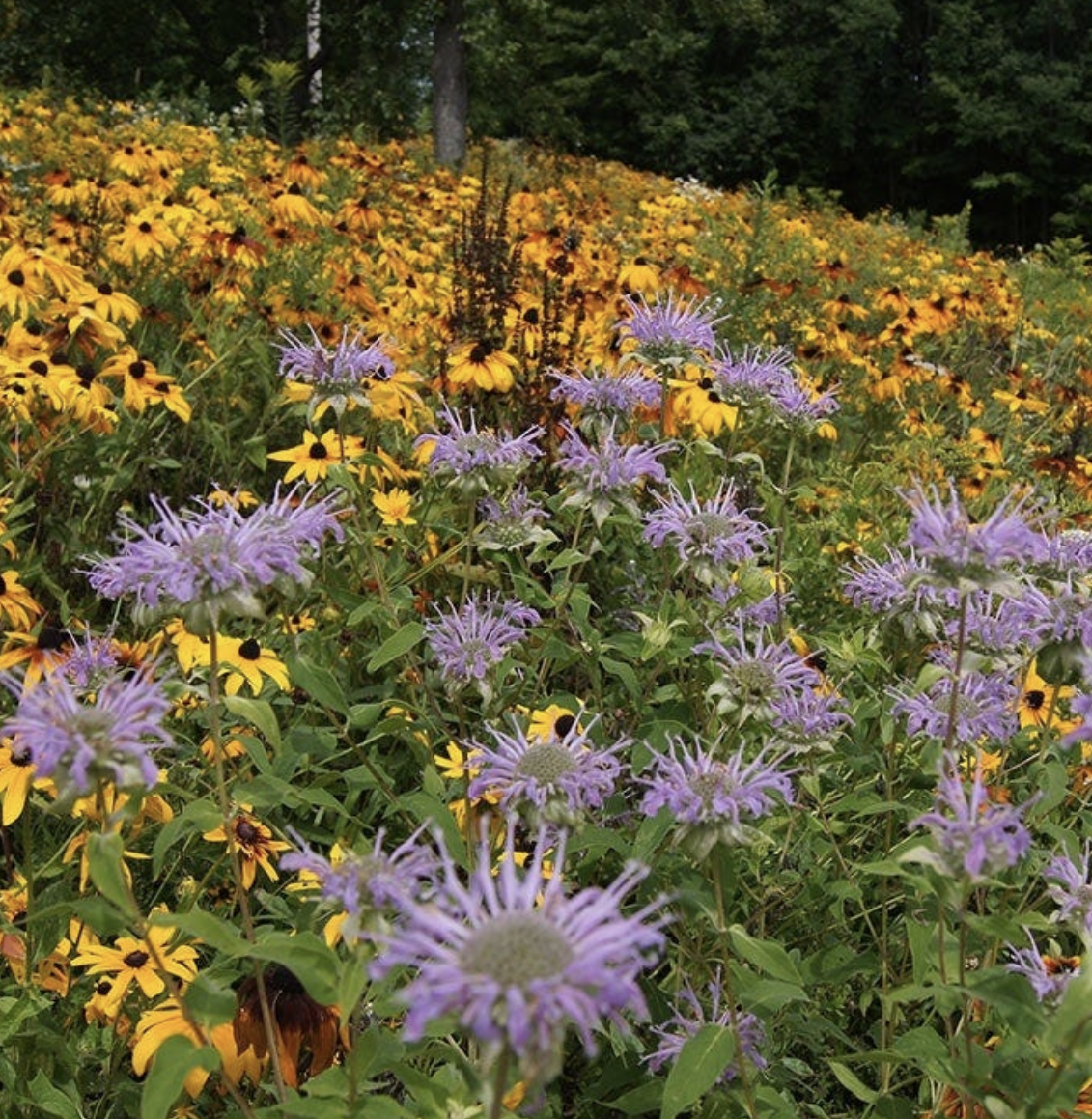
Native Seeds
Spotted Joe Pye Weed Seeds
Bee Balm or Wild Bergamot Seeds
Sweet Coneflower Seeds
Brown-eyed Susan Seeds